|
|
Insider
|
|
Transport & Infrastructure News
|
|
|
|
|
|
What’s inside? A quick look at what’s in today’s edition: |
|
1. CEO update
|
|
Catching the first Sydney Metro southwest train |
|
2. Policy news
|
|
TA's Construction Standards submission |
|
3. Program
|
|
Record 70 Fellows for 2027 intake |
|
4. Event highlights
|
|
Western Sydney event offers practical guidance for industry |
|
5. Upcoming events
|
|
Transforming Transport Summit, John Shaw Dinner |
|
6. Industry perspective
|
|
Brisbane will test our mega-project lessons |
|
7. People moves
|
|
Updates for your contact list |
|
8. Industry news
|
|
Our members in the news |
|
|
|
Have stories, news or industry perspectives to share?
|
|
|
|
|
FROM THE CEO |
|
|
|
At 3.45 am last Friday, Bankstown Station in Sydney’s southwest, was quiet, but far from empty.
The city was beginning to stir. Shops were preparing for the day, street cleaners and delivery trucks were at work, and excited community members were gathering alongside the Sydney Metro team, contractors, designers, Members of Parliament and others who had helped bring the Southwest Metro to life.
At 4.31 am, the first passenger service departed. |
|
|
Major infrastructure projects are hard. They take years to plan and deliver. They involve disruption, difficult decisions, intense scrutiny and significant public investment. It can sometimes be easy to lose sight of their value.
Ultimately, transport infrastructure is about changing people’s lives for the better.
I was there when the Metro North West opened, with my young daughter, after years of work to turn that project from an idea into a functioning railway. The northwest was once seen as the edge of Sydney and is now home to growing communities with strong connections to jobs, education and economic centres across the city.
On the platform, I spoke with Rupert Townsend from Arcadis, who has helped deliver Sydney Metro from that first Northwest line through to the Southwest Metro.
Rupert’s pride in the result was unmistakable. His story reflects the experience of many people across our industry who spend years applying their expertise to complex projects because they want to make a positive difference. Their legacy is not simply the infrastructure they help build – it is the opportunities that infrastructure creates for people and communities long after construction has finished.
Southwest Sydney is already one of Australia’s most important economic and cultural centres. Its new turn-up-and-go Metro connection will make it easier for people to reach jobs, education, shops and services across Sydney. It will also make it easier for more of us to visit places such as Lakemba and Bankstown, support local businesses and experience what these communities offer.
The opening completes a 66-kilometre Metro line connecting Bankstown with the CBD and Sydney’s northwest. It is a powerful example of what can be achieved through long-term vision and sustained collaboration across government, industry and the community.
Congratulations to all Transport Australia members involved in this transformational project. Delivering infrastructure of this scale requires an extraordinary collective effort.
Days like this remind us why the work matters.
Watch my video from the first Southwest Metro service and my conversation with Rupert Townsend from Arcadis. |
|
|
|
POLICY NEWS |
|
TA calls for practical, nationally consistent construction standards
|
Transport Australia has lodged a detailed submission to the Federal Government’s consultation on potential Commonwealth standards for the construction industry.
Developed with input from members, the submission makes 21 recommendations to strengthen integrity, productivity, commercial fairness and workforce capability.
Transport Australia’s central position is that new standards should be nationally consistent, practical and proportionate. They should strengthen existing legislation, regulation, procurement and funding arrangements, rather than create another layer of compliance.
The submission calls for:
-
- Better supply-chain transparency and coordination between regulators.
- A national integrity and prequalification information system.
- Faster dispute resolution and stronger protections for those reporting misconduct.
- Balanced risk allocation, improved project readiness and greater payment transparency.
- Nationally portable skills and more consistent labour-hire licensing.
- Greater pipeline certainty and support for workforce wellbeing.
Transport Australia also argues that accountability should extend across the project ecosystem. Obligations should reflect each participant’s role, control and capacity to influence an outcome.
Transport Australia will continue working with members and government as the proposed framework develops. |
|
|
|
|
|
PROGRAMS |
|
Record 70 Fellows to join 2027 program
|
A record 70 transport professionals from Australia and New Zealand have been selected for Transport Australia’s 2027 Fellowship Program.
The cohort is 27 per cent larger than the 2026 intake of 55 Fellows and brings together people from government, construction, engineering, operations, professional services and specialist transport organisations across six Australian states and New Zealand.
Transport Australia CEO Ehssan Veiszadeh said the record response demonstrated strong demand for opportunities that connect people across the sector.
“Receiving 86 applications for an initially planned 60 places shows the appetite across our sector for leadership development, stronger professional networks and opportunities to contribute to the future of transport,” Mr Veiszadeh said.
Next week, the new Fellows will meet in Brisbane for their first leadership workshop. It will be the first time the expanded Australian and New Zealand cohort has come together, marking an important step in TA’s growing trans-Tasman leadership network.
The workshop will connect incoming Fellows with the graduating 2026 cohort before they begin a year of mentoring, leadership development, industry engagement and collaborative policy work.
“The Fellowship helps our next generation of leaders understand how their work connects with the wider transport system,” Mr Veiszadeh said.
“It gives them access to experienced industry mentors, different perspectives and relationships that can support better collaboration throughout their careers.”
Fellows will also attend a gala dinner featuring a keynote address from Sally Stannard, Director-General of Queensland’s Department of Transport and Main Roads, and also a TA Board Director.
The Fellowship is proudly sponsored by John Holland. |
|
|

|
|
|
|
If you have stories, news or industry perspectives to share please submit
|
|
|
|
|
CELEBRATE WITH US |
|
|
|
|
Annual Lunch tickets on sale
|
|
Whatever 2026 has brought your organisation, there is value in taking time to reconnect, recognise the milestones, and celebrate the people who keep our sector moving.
|
|
|
|
|
|
|
|
One week to go: Countdown to event series kicks off in Adelaide
|
Bring your team, invite your clients and catch up with colleagues over lunch while celebrating 2026. After the Perth Annual Lunch sold out, we secured a larger space and have released additional tickets.
This year’s line-up includes:
Adelaide, 13 November: Hon Joe Szakacs MP, SA Minister for Infrastructure and Transport.
Sydney, 20 November: Hon John Graham MLC, NSW Minister for Transport.
Auckland, 27 November: Sara Lindsay, Group General Manager, Commercial and Corporate, NZ Transport Agency Waka Kotahi.
Perth, 2 December: Hon Rita Saffioti MLA, WA Deputy Premier, Treasurer, Minister for Transport and Major Infrastructure and Minister for Sport and Recreation.
Brisbane, 4 December: Hon Brent Mickelberg MP, QLD Minister for Transport and Main Roads.
Hobart, 9 December: Shane Gregory, Secretary, Building Tasmania.
Melbourne, 11 December: rounding out the series.
Across projects, operations, policy and delivery, relationships help our industry make progress. These lunches offer a welcome opportunity to strengthen those connections, make new ones and look ahead together.
Whether your year has delivered milestones, difficult decisions or plenty of both, join us to acknowledge the effort, thank the people alongside you and finish the year in good company.
Get tickets |
|
|
|
EVENT HIGHLIGHTS |
|
Western Sydney event delivers practical direction on ambition of integrated system
|
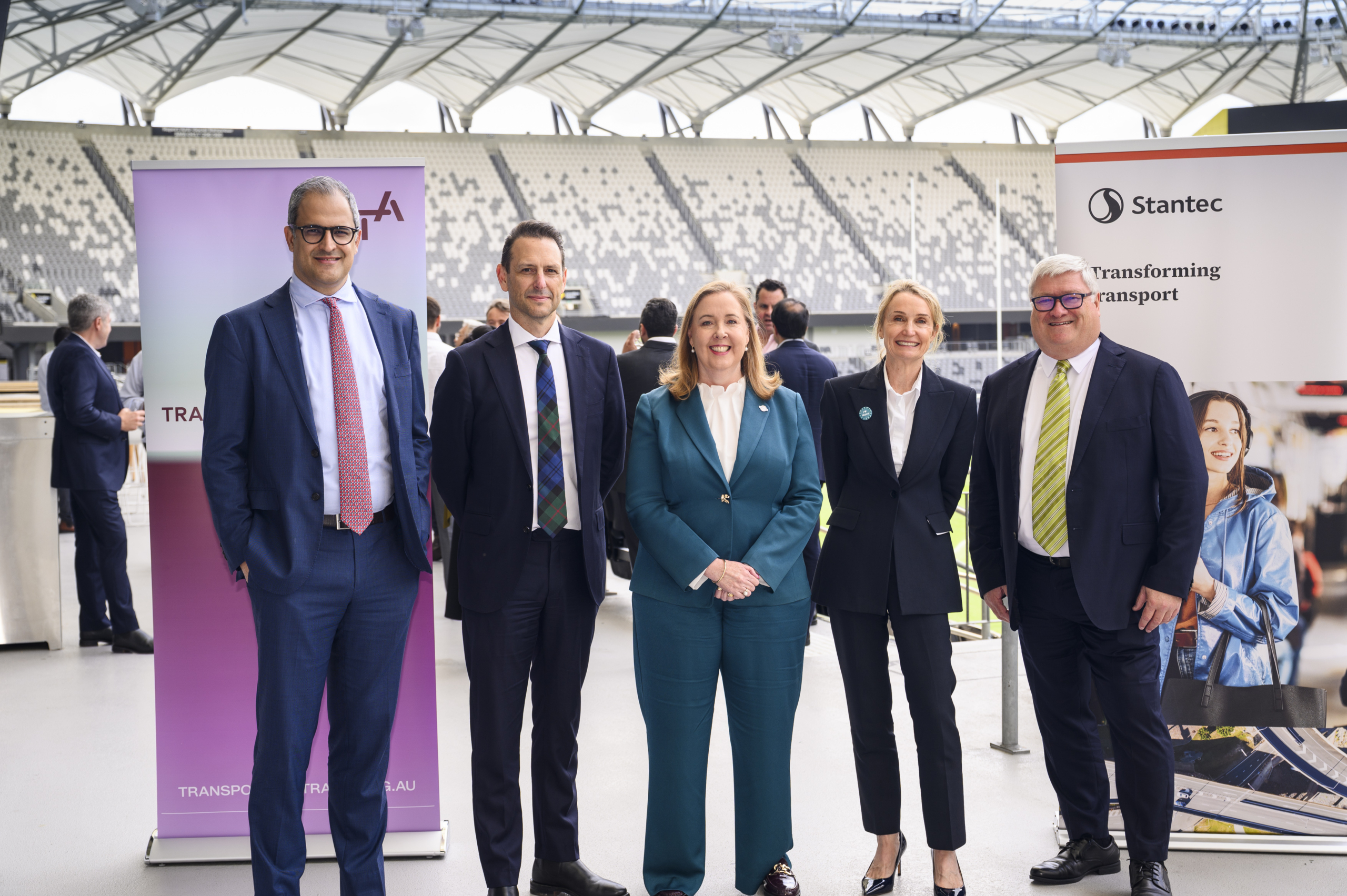
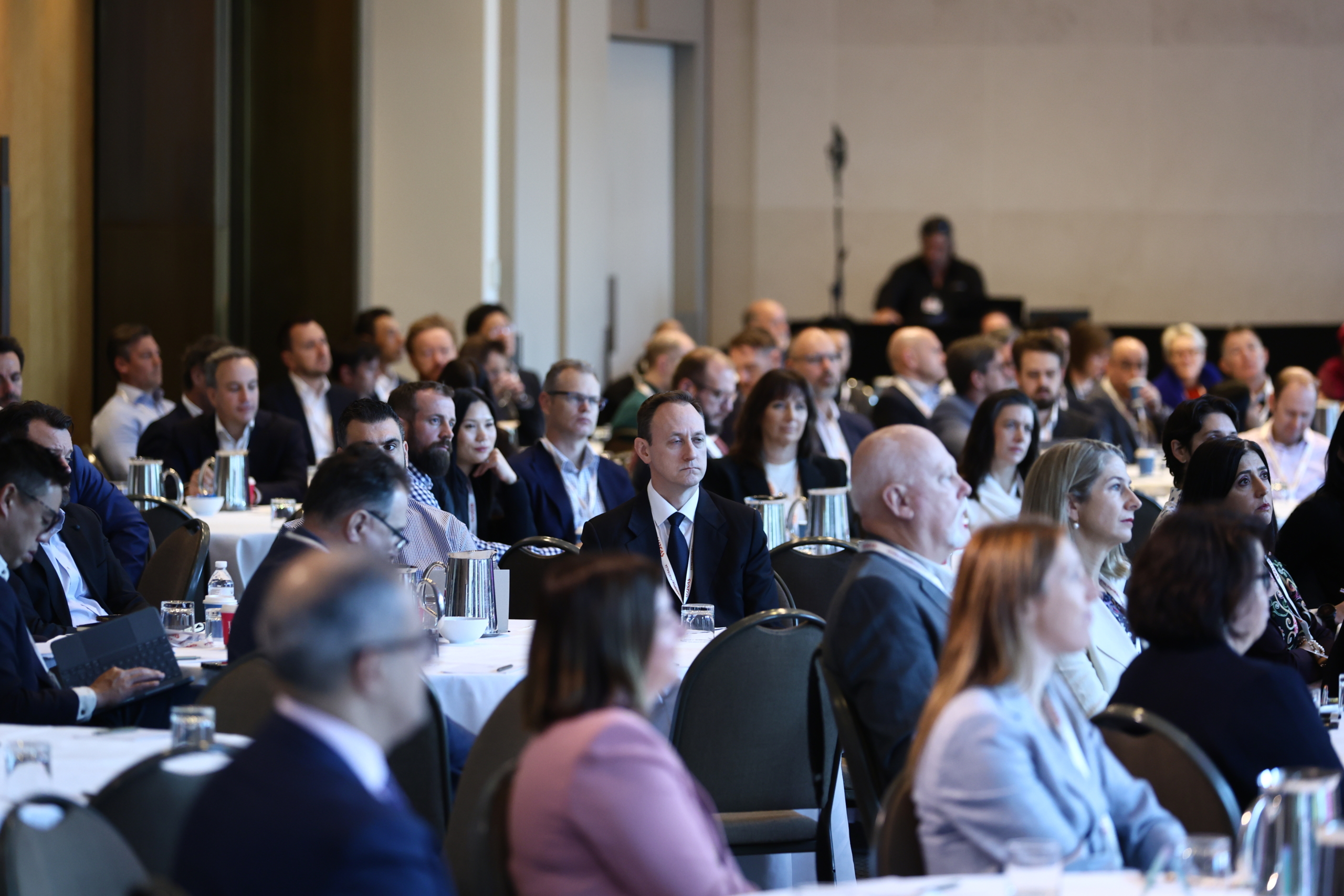
Transport Australia’s advocacy work was visible in two practical ways at our first Western Sydney event.
Minister for Roads and Minister for Regional Transport Jenny Aitchison joined the event after launching the NSW 2031 Road Safety Action Plan, which drew on feedback provided by TA members through our Safe Movement and Place framework.
In his speech, Transport for NSW Secretary Josh Murray used findings from TA’s Valuing Australia’s Transport Network research to reinforce the need to stop treating transport as a list of individual projects and start managing it as a connected system.
We were also thrilled to host Camilla Drover so soon after her appointment as Sydney Metro Chief Executive and together with Minister Aitchinson and Josh Murray, the panel gave members practical insight into how the NSW Government is approaching integration, procurement and industry collaboration.
Minister Aitchison outlined how Project Swift is reducing duplication and bringing industry expertise into projects earlier. Camilla Drover highlighted the value of involving delivery expertise before procurement, when it can still shape design, risk allocation and construction.
Western Sydney has entered a new phase. With major infrastructure moving into operation, the challenge is no longer only what gets built, but how roads, rail, freight, the airport and growing economic precincts work together.
Thank you to our speakers, members and event partner Stantec. |
|
|
|
|
|
|
UPCOMING EVENTS |
|
Save the Date: Transforming Transport Summit and John Shaw Dinner
|
Join Transport Australia in Sydney on Thursday, 20 May 2027 for two flagship events bringing government and industry leaders together to discuss transport’s future and celebrate the sector.
The Transforming Transport Summit at W Sydney will provide an opportunity to exchange ideas, explore shared priorities and connect with colleagues working across the transport system. That evening, the John Shaw Dinner at ICC Sydney’s Grand Ballroom will bring the industry together for celebration and connection.
The program begins on Wednesday, 19 May, with pre-Summit networking at Ventia, offering time to reconnect with colleagues and build new relationships ahead of the main events.
Key dates and times:
Pre-Summit networking: Wednesday, 19 May, 6–8pm.
Transforming Transport Summit: Thursday, 20 May, 8am–4.30pm.
John Shaw Dinner: Thursday, 20 May, 6–11pm.
Mark your calendar and plan to join us in Sydney for discussion, fresh perspectives and opportunities to connect. |
|
|
|
|
|
|
Industry Perspective |
|
Brisbane 2032 will test what a decade of megaprojects taught the industry
|
|
|
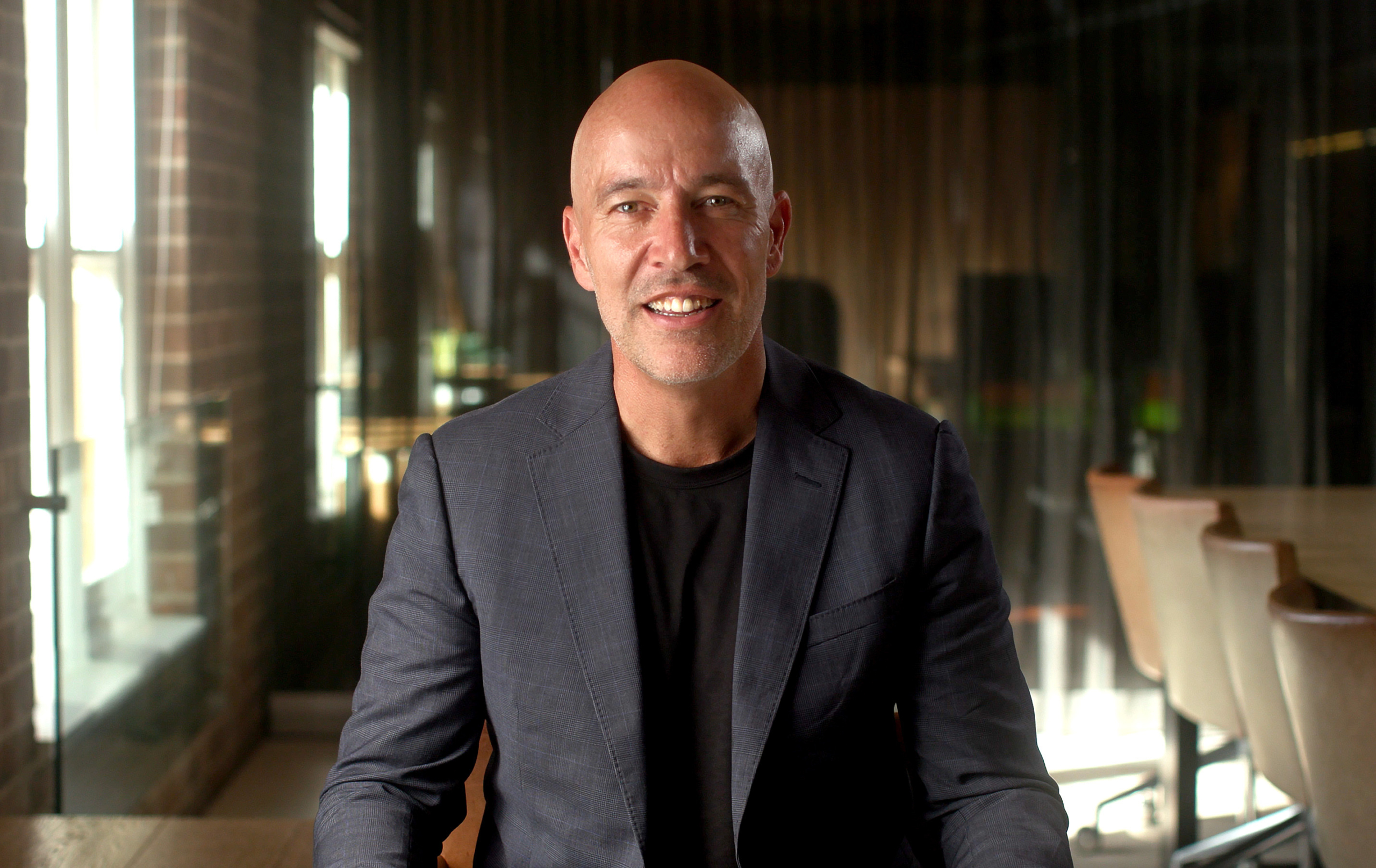
By Justin Smith, Managing Director, Ansarada |
|
|
Australia has spent the past decade building some of the most complex transport projects in its history. Sydney Metro, North East Link and Cross River Rail have given the industry deep expertise, and Ansarada has supported procurement teams across major transport infrastructure work in that time. As that build cycle eases in Victoria and New South Wales, Brisbane 2032 is set to anchor the next wave, with an AU$7.1 billion Games venue programme, AU$12.4 billion in federal transport investment and a target of 90% of venue trips made by public and active transport. The Games will show how much of that experience has been absorbed. Our 2027 Transport Infrastructure Outlook Report, produced with Infralogic, points to where the lessons of the past decade sit.
Understand risk before pricing it
Risk is best managed when it is understood early. Australian practitioners in the report describe a shift towards collaborative contracting and deeper site investigation, so bidders can price known risks with confidence rather than carry unknowns they are least equipped to manage. Survey respondents agree, with 78% citing financial risk-sharing incentives as key to effective risk allocation, up from 49% a year ago. But as RP Infrastructure’s Marc Allen points out, a contract cannot make people collaborate. That takes trust, open communication and clear governance.
Act on what the data shows
Visibility only has value if it leads to action. Procurement teams have better tools and data than at any point in the past decade, with 85% of respondents rating their process as efficient, up from 65% a year ago. Even so, progress monitoring still ranked as the area most in need of improvement. In our experience, that is rarely a technology problem. Teams can usually see when a project is drifting. The harder part is having the authority and confidence to act before drift becomes delay. Amanda Branley, CEO of The Procurement Coach, says there is a lot of investment in creating the deal and not nearly enough in what happens after. On a programme with an immovable opening ceremony, that gap is costly.
Concern about community engagement also more than doubled among respondents in a single year. Precinct development and land acquisition are deeply personal for the people affected, and a project that loses public trust early will pay for it later in approvals, disruption and political support. Honesty about what a project involves and when it will end is a delivery requirement, not a soft skill.
The real test of a mature market is how well it delivers its pipeline. Brisbane 2032 has a fixed date and little room to drift. The industry has the experience. The task now is to use it. |
|
|
|
|
|
If you have stories, news or industry perspectives to share please submit
|
|
|
|
|
PEOPLE MOVES |
|
|
|
|
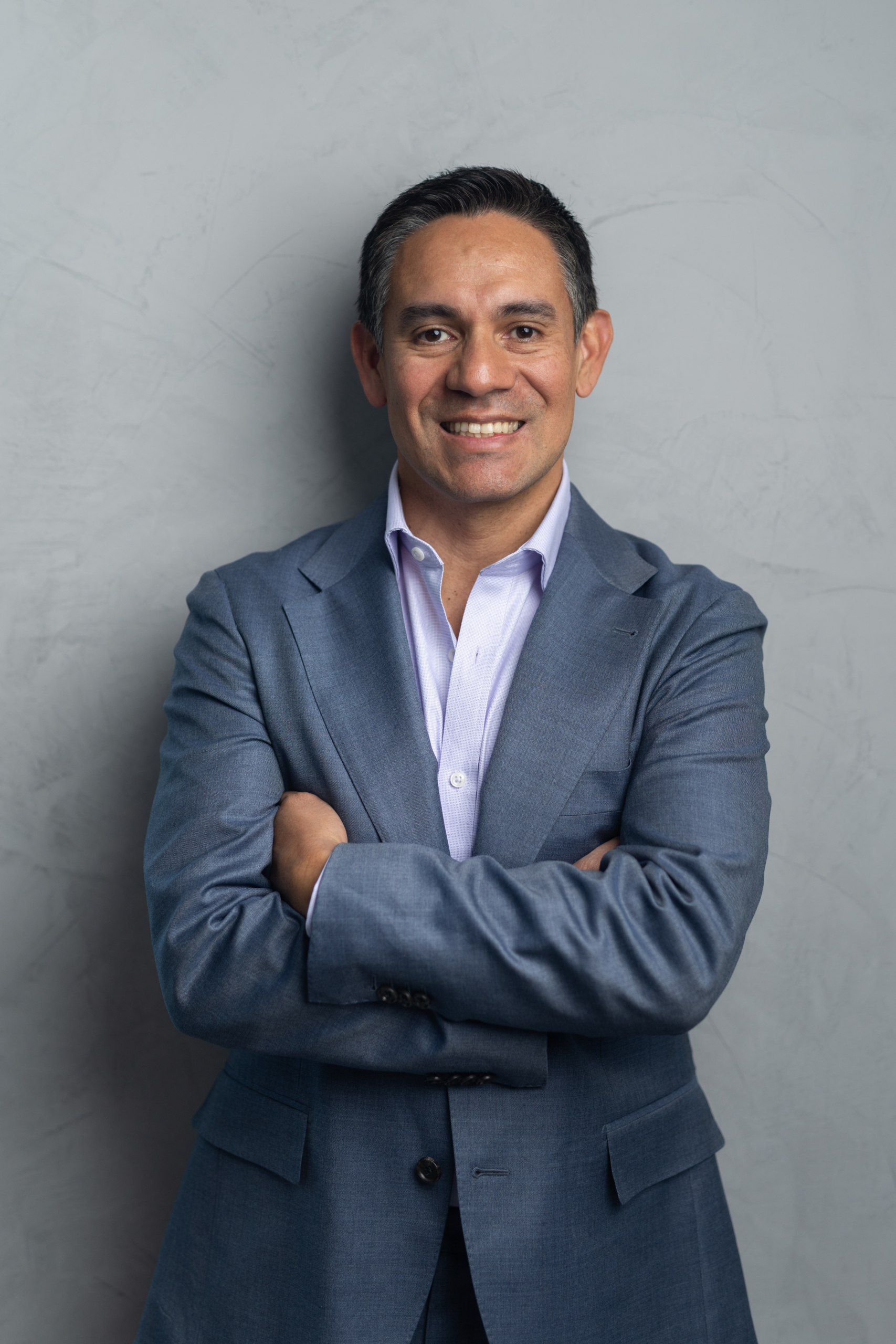
Giovanny Alvarado
|
|
Giovanny appointed Major Projects Director, Transportation, Australia at Aurecon. |
|
|
|
|
|
|
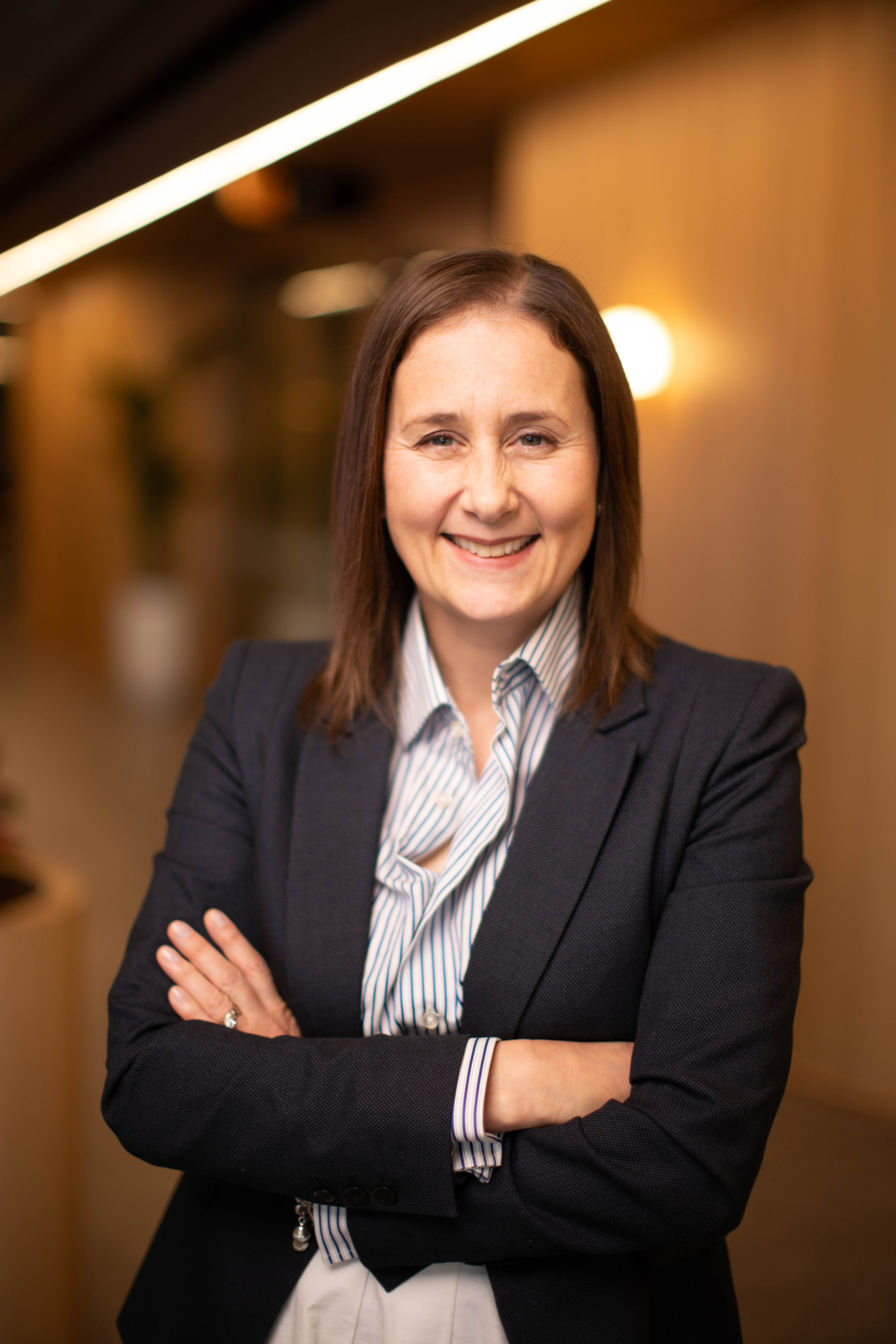
Helana Wretham
|
|
Helana has been appointed Industry Director, Transportation at Aurecon. |
|
|
|
|
|
|
Tracey Ryan
|
|
Tracey Ryan has announced she will step down as Chief Executive of Aurecon New Zealand. |
|
|
|
|
INDUSTRY NEWS |
|
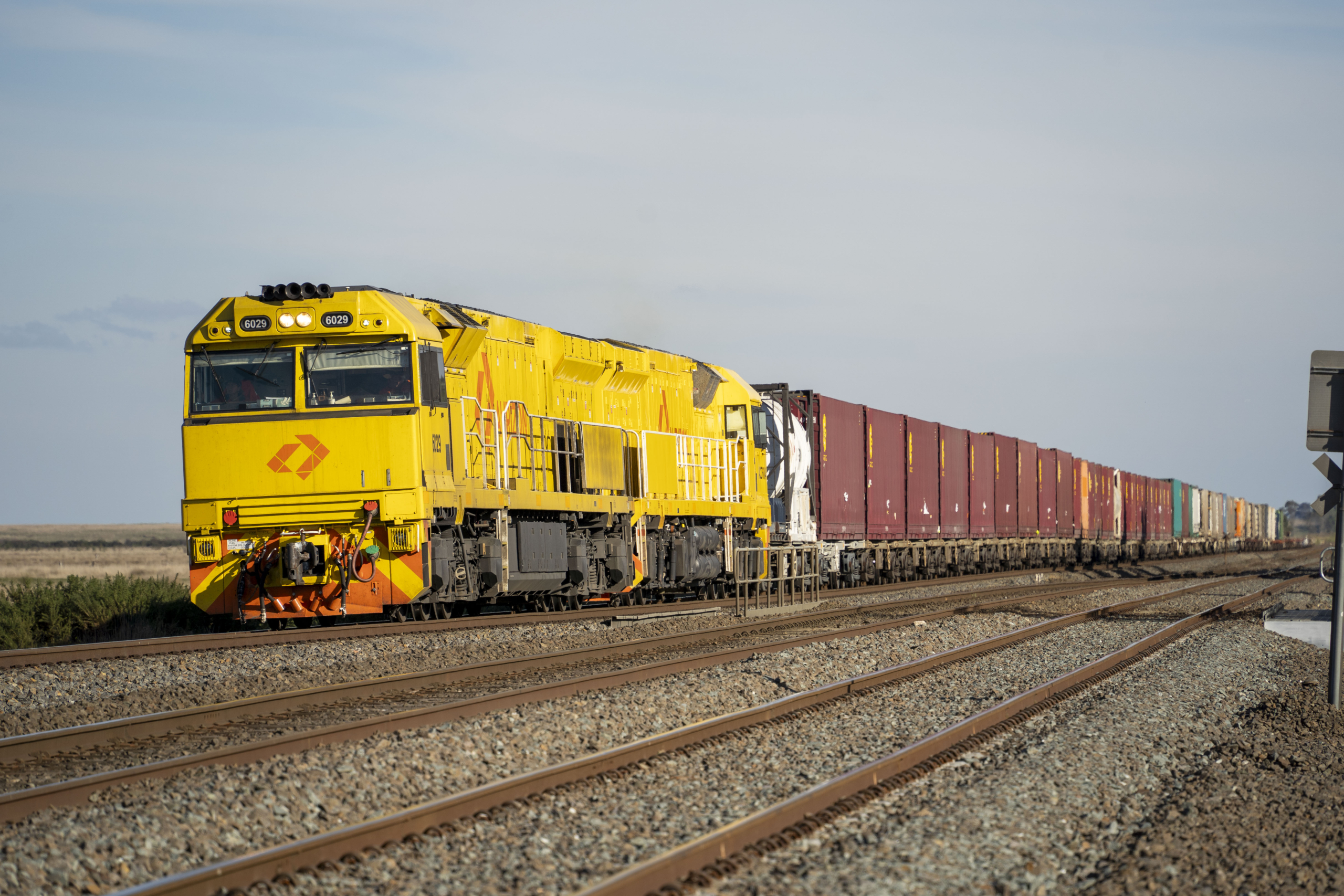
ARTC reports 88-minute improvement on Sydney-Melbourne corridor
|
The Australian Rail Track Corporation (ARTC) has reported an 88-minute reduction in freight journey times between Sydney and Melbourne following a year of maintenance and network upgrades.
The latest coordinated “super possession” brought more than 1,000 workers to 200 sites along the corridor, allowing months of work to be completed in several days. Crews repaired 497 defects, renewed more than 14 kilometres of rail and removed temporary speed restrictions. They also resurfaced track, renewed level crossings, repaired bridges and culverts, upgraded turnouts, removed 78 internal rail flaws and completed 22 rail adjustments.
ARTC said the work targeted major causes of delay, including track condition, drainage problems and speed restrictions. The 88-minute improvement is cumulative: it reflects the September program together with other maintenance and upgrade activity delivered over the preceding year, rather than the most recent shutdown alone.
The works sit alongside ARTC’s annual scheduled maintenance investment of about $190 million and the almost $2.8 billion Network Investment Program supported by the Australian Government. ARTC said concentrating the program within one shutdown reduced repeated disruption to freight and passenger services while improving reliability, safety and future capacity on one of Australia’s busiest interstate rail corridors for operators and their customers. |
|
|
|
|
NSW sets five-year road safety agenda
|
NSW Roads Minister Jenny Aitchison released the 2031 Road Safety Action Plan, setting priorities for 2027 to 2031 to halve road deaths and reduce serious injuries by 30 per cent by 2030.
The plan applies Safe System principles across eight priority areas. It strengthens regional and Aboriginal road safety and recognises post-crash care as the fifth Safe System pillar. Practical measures include barriers, rumble strips and intersection upgrades on regional roads; safer pedestrian crossings and speed settings; e-bike regulation, enforcement and education; motorcycle licensing reform; level-crossing safety; and investigation of extending average-speed cameras to light vehicles.
More than 2,000 contributions from communities, councils, industry, emergency services, researchers and road safety practitioners informed the plan. The consultation included feedback developed with Transport Australia members through our Safe Movement and Place work, which promotes road and street design that balances movement, place and the safety of vulnerable users.
Transport Australia will continue working with government and members to support measures that reduce road trauma and improve safety across the transport system. |
|
|

|
|
|
|
|
|